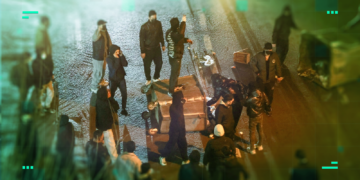























Protests Continue in Iran Amid Increasing Violence and Arrests
Protest activity in Iran remains significant as demonstrators gather in various cities, including Marvdasht and Tehran, to voice their dissent against the government. Recent footage from the streets shows ongoing unrest, contrasted by reports of escalating violence and a rising death toll.
Why It Matters
These protests, which began on December 28, have sparked international attention, highlighting ongoing struggles for human rights and political reform within Iran. With thousands reportedly arrested and several deaths confirmed, the situation poses grave concerns for state accountability and the safety of civilians.
Key Developments
- Demonstrators organized protests in Marvdasht, Fars province, despite a backdrop of burning debris.
- At least 881 protest events have been confirmed across all 31 Iranian provinces.
- Security forces have deployed tear gas and stun grenades against protesters in multiple cities since January 11.
- Iranian Human Rights Activists News Agency (HRANA) reports a minimum of 2,003 deaths linked to the protests, including 1,850 civilian fatalities.
- Over 16,000 arrests have taken place, with substantial numbers occurring on January 11.
- Access to the internet has been severely restricted, limiting communication and the flow of information.
Full Report
Protests Intensify
Recent social media footage verifies continued protests in the southern city of Marvdasht, as demonstrators clash with security forces attempting to quell dissent. On January 12, HRANA reported eight arrests, adding to the growing list of detentions. Observations indicate a total of 881 verified protest events across Iran, with the peak occurring on January 8, coinciding with an internet blackout.
Violence and Arrests
Since the protests escalated, security forces have responded with increasing violence. Reports confirm the use of tear gas and stun grenades against demonstrators in at least three cities as of January 11. The severity of the crackdown has likely contributed to a decrease in protest reporting, although researchers suggest that improved access to Starlink internet may allow for increased documentation of events.
Rising Death Toll
The HRANA has reported at least 2,003 confirmed deaths during the protests, including around 100 names independently verified by Sky News. Among the deceased is at least one 15-year-old. An Iranian official has corroborated these figures via Reuters. Additionally, the People’s Mojahedin Organisation of Iran (PMOI) claims the death total may exceed 3,000, although this figure has not been independently verified.
Arrests and Morgue Footage
HRANA estimates that over 16,784 individuals have been arrested since the protests began. Footage emerging from a forensics institute in Kahrizak suggests a chilling scene, with reports indicating the presence of 250 bodies in a single morgue. The full scale of fatalities and detentions remains challenging to ascertain, especially given the internet blackout, which significantly hampers information sharing and verification.
Context & Previous Events
The protests started on December 28 in Tehran and have since spread to numerous cities, reflecting widespread dissatisfaction with the government’s policies and human rights record. The volume of protests initially peaked in early January before declining, likely influenced by government crackdowns and internet restrictions. Researchers continue to monitor the situation closely, with greater figures on deaths and arrests anticipated as communication channels are restored.