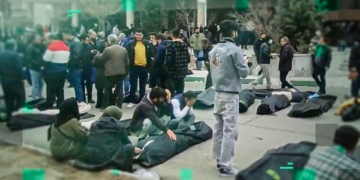























Rising Death Toll in Iran Protests Amid Government Crackdown
Reports indicate that over 2,000 individuals have lost their lives during recent protests in Iran, a surge that has alarmed human rights organizations and drawn international scrutiny. The demonstrations, which initiated in response to the struggling economy, have escalated into a significant challenge against the governing theocracy.
Why It Matters
This spike in violence highlights both the intense discontent among Iranian citizens and the government’s heavy-handed tactics to suppress dissent. As protests gain momentum, the increasing death toll is indicative of the regime’s unwillingness to engage with the demands for reform or change, raising concerns over human rights violations in the country.
Key Developments
- The US-based Human Rights Activists News Agency (HRANA) reported that 1,847 of the deceased were protesters, with 135 affiliated with the government.
- The Iranian government has implemented internet restrictions to hinder information flow amidst the protests.
- The Sky News Data & Forensics team has verified the identities of nearly 75 individuals who were killed.
- The average age of confirmed deceased protesters is around 27, with a notable representation of younger individuals.
Full Report
Rising Casualties Amid Protests
In recent weeks, protests erupting across Iran have become increasingly violent, leading to significant casualties. Among the deceased is Akram Pirgazi, a 40-year-old mother, who became the first woman reported killed in the demonstrations after being shot in Neyshabur. Also noted is Mehdi Salahshour, a 50-year-old sculptor, who was shot by government forces in Mashhad, showcasing the brutal crackdown on cultural figures and the artistic community.
Other victims include Javad Ganji, a 39-year-old filmmaker shot in Tehran, and Shayan Asadollahi, a 28-year-old hairdresser known for his impactful social media presence. Ahmadreza Amani, a 28-year-old trainee lawyer, succumbed to injuries sustained during protests, prompting calls for an investigation from the local legal community.
The protests also claimed the life of Rebin Moradi, a promising 17-year-old footballer. His death resonates deeply as it reflects the youth’s pivotal role in the demonstrations. His passing prompted heartfelt tributes on social media, with many expressing outrage and sorrow over the circumstances of his death.
Amid these tragic events, HRANA indicates that over 10,700 individuals have been detained, drawing attention to the scale and intensity of state-sponsored repression.
Internet Restrictions
With the Iranian regime limiting internet access, the flow of information regarding fatalities and ongoing protests has been severely constrained. These measures complicate and obscure the realities faced by protesters, as activists continue to risk their safety to share updates and document the unfolding situation.
Context & Previous Events
This unrest has been fueled by longstanding grievances related to Iran’s economic struggles, which have significantly worsened in recent years. The protests mark a pivotal moment in the nation’s history, as citizens openly challenge the authority of the Islamic Republic amid a disintegrating socio-economic landscape. Government responses to past protests have often involved violent crackdowns, and this latest surge has raised alarms among human rights advocates globally.