






















California Wildfire Survivors Struggle with Insurance Claims Amid Delays
In the wake of devastating fires that ravaged Southern California, homeowners are grappling with prolonged insurance claim disputes, significantly impeding their recovery efforts. Many victims, like Mark Johnson from Altadena, are facing severe financial strain as they await payouts from major insurers, with ongoing investigations highlighting possible failures in the claims process.
Why It Matters
The aftermath of last year’s Eaton and Palisades wildfires serves as a broader reflection of the challenges faced by homeowners across the nation when dealing with insurance companies. The struggles of fire survivors underscore a growing trend of increased premiums and delayed payouts that put immense pressure on affected families, raising questions about the viability and reliability of home insurance in disaster-prone regions.
Key Developments
- Mark Johnson, a wildfire survivor, waited nine months for State Farm to settle his insurance claim, highlighting the delayed responses from major insurers.
- Investigations in Los Angeles County revealed issues with State Farm’s claims handling, leading to widespread complaints from homeowners.
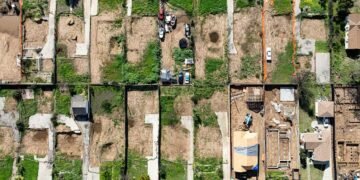
- The Eaton and Palisades fires resulted in over 16,000 property losses, with insured losses estimated at $40 billion, making these fires some of the most costly in history.
- Many affected families are still living in temporary housing, with over 65% in Altadena and nearly 75% in Pacific Palisades unprepared for rebuilding.
- Statements from industry representatives acknowledge the delays but emphasize the complexity and scale of recovery efforts post-disaster.
Full Report
Homeowners’ Struggles with Insurance
Mark Johnson’s experience epitomizes the plight of many wildfire survivors in Southern California. After losing his home to last January’s wildfires, Johnson was left waiting for financial assistance to begin the rebuilding process. He requested a settlement from State Farm, and although he ultimately received the much-needed funds just before Thanksgiving, his journey through the claims process was emotionally taxing and fraught with uncertainty.
Numerous other residents have echoed Johnson’s sentiments, with many facing similar delays and challenges. According to Joy Chen, executive director of the Eaton Fire Survivors Network, families have been caught in difficult circumstances, leading some to accrue debt while navigating a complex claims system. The prolonged timeline has compounded the difficulties for homeowners who are already displaced and seeking temporary housing.
Investigations and Industry Reactions
The situation has prompted governmental scrutiny, as the Los Angeles County Counsel opened an investigation into State Farm’s claims practices following numerous complaints of claim delays and underpayments. In response, State Farm has characterized the investigation as a distraction from its commitment to aiding fire victims.
Industry representatives acknowledge the unprecedented scale of the disasters, emphasizing that insurers have paid significant amounts to policyholders affected by the fires. They assert that the rebuilding effort is ongoing, but many residents are frustrated by the pace and effectiveness of the responses. Amy Bach, the executive director of United Policyholders, observed that some families’ recoveries are largely dependent on the efficiency of their respective insurance companies.
Disparities Among Homeowners
Compounding the struggle of residents are the disparities in claims processing, which have left some homeowners with insufficient funds to address critical issues, such as contamination from smoke and ash. Homeowners like Andrew Wessels have seen their claims resisted, particularly regarding personal items that were damaged yet deemed cleanable by insurers. Wessels stated that after nearly one year without progress, his family has faced instability, moving multiple times and accumulating significant debt.
Context & Previous Events
The Eaton and Palisades fires, which resulted in catastrophic losses around Los Angeles, highlighted significant vulnerabilities within the insurance market. These fires have not only led to the destruction of homes but have sparked a national dialogue regarding the sustainability of the insurance industry in light of rising climate threats and increasing disaster-related expenses. Ongoing investigations and reports of distress among policyholders reflect a situation that echoes across various states, illustrating widespread frustration with insurance providers’ practices.






