






















Trump Imposes Fresh Tariffs on Iran’s Trading Partners Amid Protests
President Donald Trump has announced new tariffs targeting nations that do business with Iran, heightening tensions as protests in the Islamic Republic lead to increasing casualties. In a post on Truth Social, the president stated that any country engaging in trade with Iran will incur a 25% tariff, effective immediately. This announcement follows reports that at least 646 people have died during nationwide protests, with the toll expected to rise.
Why It Matters
The decision to impose tariffs not only impacts international economic relations but also reflects a U.S. response to the violent crackdown on protesters in Iran. Such measures could further isolate Iran economically, complicating the already strained diplomatic landscape. The ongoing unrest, fueled by dissatisfaction with the government amid a collapsing economy, raises questions about the stability of Iran and U.S. foreign policy in the region.
Key Developments
- Trump stated that the 25% tariff applies to "any and all business being done" with Iran.
- Major trading partners such as Brazil, China, Turkey, the United Arab Emirates, and Russia could be affected by the tariffs.
- The Human Rights Activists News Agency reported a death toll of at least 646, with over 10,600 arrests amid ongoing protests.
- The president has hinted at the possibility of military action, asserting that airstrikes remain "on the table."
- White House Press Secretary Karoline Leavitt confirmed the administration’s willingness to consider military options but emphasized that diplomacy remains a priority.
Full Report
Ongoing Protests and Government Response
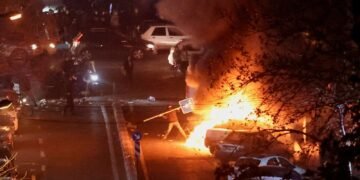
Reports indicate that Iran is experiencing escalating protests that began on December 28, fueled initially by economic hardships and the collapse of its currency. However, as demonstrations broadened, they began to challenge the authority of the regime. Iranian officials, including Foreign Minister Abbas Araghchi, claim that the unrest is under control, attributing the turmoil to foreign interference.
In an attempt to counter dissent, pro-government rallies have emerged, calling for support of the regime. State television broadcast footage of crowds chanting slogans against the United States and Israel, showing a clear narrative of defiance against external pressures.
U.S. Military and Diplomatic Position
In light of the persistent unrest, Trump has not ruled out military intervention. His administration is reportedly in discussions about the possibility of engaging in direct negotiations with Iran, asserting that "Iran wants to negotiate." Nonetheless, the White House maintains a commitment to diplomatic efforts as the primary course of action.
The precarious situation is compounded by reports of internet service disruptions and cut phone lines in Iran, limiting the flow of information within the country and complicating communications among protesters.
Context & Previous Events
The recent protests in Iran arose from widespread dissatisfaction due to economic mismanagement and a plummeting currency value. Since their inception, the protests have evolved from economic grievances to broader calls for political change, challenging the authority of Supreme Leader Ayatollah Ali Khamenei. The Iranian government asserts that it is dealing with the unrest while pointing fingers at perceived U.S. and Israeli influences inciting turmoil within its borders.
The developments involving the U.S. tariffs signify an escalation in the response to the internal situation in Iran and reflect ongoing tensions that both the U.S. and Iran face on multiple fronts.