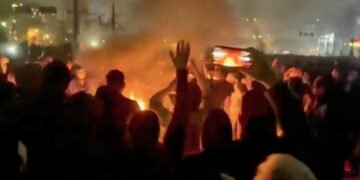























Unrest in Iran: Will Protests Bring Down the Government?
As protests surge across Iran, many are left questioning whether this wave of unrest could ultimately lead to a regime change. While the current demonstrations echo the “women, life, freedom” movement from three years ago, analysts suggest that significant economic pressures and a recent military crisis make this situation decidedly different.
Why It Matters
The ongoing protests signify deep-rooted dissatisfaction among Iranians, particularly as economic conditions worsen. With the Iranian currency plummeting and crucial commodities becoming increasingly unaffordable, the unrest represents a precarious moment for the government, which now faces questioning from both the urban merchant class and the impoverished populace.
Key Developments
- Protests erupted last month in Tehran’s market areas following a historic drop in the Iranian rial.
- Rising food prices have prompted increased participation from both merchants and economically disadvantaged citizens, creating a diverse coalition of dissent.
- The Iranian government faces significant challenges as citizens demand accountability, especially in light of its failure to protect against external military threats.
- The Supreme Leader, Ayatollah Ali Khamenei, has refrained from proposing substantial reforms, further alienating the populace.
Full Report
Economic Turmoil
The origin of current protests can be traced back to economic distress, notably the sharp decline of the Iranian rial, which has led to soaring prices. This financial malaise has sparked outrage among merchants in major markets, who find their livelihoods threatened. As living costs become unbearable, many in the lower economic strata are joining the protests, leading to a multifaceted uprising.
Failed Military Defense and Loss of Legitimacy
In a context that compounds existing grievances, the recent military conflict with Israel has exposed the Iranian leadership’s inability to fulfill one of its primary mandates: protecting its citizens. The 12-day war resulted in significant losses for Iran, including casualties among high-ranking military officials and the destruction of its nuclear facilities. Citizens are left questioning the expenditures allocated to foreign proxies while their own security remains compromised.
Public Sentiment and Government Response
The sentiment on the streets is markedly one of disillusionment. Many young Iranians are vocal about their desire for a generational shift in leadership, advocating for the removal of the old guard that led the 1979 revolution. Conventional wisdom had suggested that the regime would likely evolve internally, yet the current environment reveals a disconnect between the leadership and the populace’s demands. Khamenei’s apprehension towards reforms exacerbates this divide, as he observes how similar changes have led to regime collapses in other countries.
Context & Previous Events
The current round of protests bears resemblance to the “women, life, freedom” demonstrations three years earlier, which were ultimately quashed through violent repression. However, the present circumstances highlight a confluence of economic hardship, military failures, and a growing demand for change that could culminate in a pivotal moment for Iran.