






















Rise of Faith Among Young Influencers: A Shift in Belief
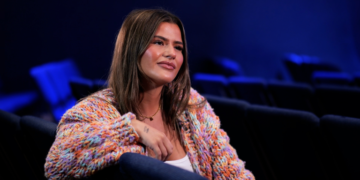
As younger generations navigate a complex world filled with uncertainty, a new trend is emerging. Influencers like Love Island star Matilda Draper are not just showing off their lifestyles; they are openly sharing their faith on social media, reflecting a notable rise in religiosity among Generation Z and millennials.
Why It Matters
The increasing visibility of faith among young people, particularly through social media platforms, signifies a cultural shift in how religion is perceived. This rising trend contrasts with earlier notions of faith being outdated or less significant in modern life. Understanding this change could have implications for community cohesion and youth engagement in spiritual matters.
Key Developments
- A recent YouGov survey indicates that belief in a higher power among Gen Z has surpassed that of older generations.
- Dr. Edward David from King’s College London highlights social media as a key driver in this resurgence of religious interest.
- Matilda Draper and fellow influencers report a marked increase in youth engagement with faith-related content.
- Data from YouGov shows that monthly church attendance among those aged 18 to 25 rose from 7% in 2018 to 23% in 2024.
Full Report
Growing Visibility of Faith
Matilda Draper, 25, reflects on her upbringing in a religious setting, noting how discussions about faith have become more mainstream. "There’s so much bad in the world," she states, emphasizing the search for purpose among young people. Her observations are corroborated by recent data showing that Gen Z holds a stronger belief in a higher power compared to older cohorts.
As social media platforms become an integral part of daily life, Dr. David suggests that young people are discovering religious ideas there for the first time. "Many encounter a religious concept through a quick video," he explains. This initial exposure can lead to a deeper hunger for exploration of faith.
Church Engagement and Social Media Influence
The shift is not merely anecdotal; it is backed by numbers. Young influencers like Zack Ubi and Chrissy George have experienced an influx of interest in church activities within their peer groups. "It’s not just the usual demographic you think would come to church," Ubi notes, highlighting diversity in attendees.
Draper’s baptism video, which gained over 1.3 million views on TikTok, serves as an example of the powerful connection that social media has fostered between faith and community. Church leaders have also reported increased attendance, attributing this trend to the visibility of faith-oriented content online.
Community as a Driving Factor
Chrissy George points out that community is a significant motivator for young people seeking faith. She runs a TikTok account for her church and sees a growing interest from young individuals asking about services and church involvement. This sense of community could fill a void that many young people feel in today’s society.
Context & Previous Events
A YouGov study conducted in 2018 revealed that only 28% of young individuals believed in a higher power. Over the years, this number has increased to 49%. Furthermore, attendance at church among 18 to 25-year-olds almost tripled during the same period.
While not all young adults share this renewed interest in faith, as highlighted by atheist Hetty Owen, the overall trend shows that Generation Z is redefining what faith means in the context of modern life. Whether this change is lasting remains to be seen, but influencers and their followers are undoubtedly playing a pivotal role in shaping these discussions.