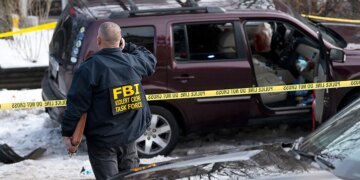























Controversial ICE Shooting in Minneapolis Sparks National Outcry
MINNEAPOLIS – A shooting involving an Immigration and Customs Enforcement (ICE) agent that left a woman dead has ignited fierce debate and protests across the nation. The incident, which occurred during a routine operation, has drawn attention to the challenges faced by federal agents in critical situations.
Why It Matters
The escalation of tensions surrounding law enforcement operations raises questions about public safety and immigration enforcement practices. The fatal encounter has prompted a backlash from local officials and community advocates, focusing attention on the broader implications for ICE’s presence in urban areas and the perceptions of law enforcement among community members.
Key Developments
- The shooting involved Renee Nicole Good, who was characterized by Department of Homeland Security Secretary Kristi Noem as a “domestic terrorist” attempting to use her vehicle as a weapon.
- Former ICE agent Timothy Miller emphasized the split-second decision-making required of officers in potentially lethal situations, highlighting the dangers of an accelerating vehicle.
- Minneapolis Mayor Jacob Frey publicly called for ICE to withdraw from the city, stating that the agency’s presence contradicts its supposed mission to ensure safety.
- Protests erupted in Minneapolis and other major cities following the shooting, with demonstrators expressing outrage and demanding accountability from law enforcement.
Full Report
Incident Details
The fatal shooting unfolded as ICE agents approached Good’s vehicle, demanding that she exit. According to reports, she allegedly attempted to drive toward an agent, prompting him to discharge his weapon multiple times. The 37-year-old was pronounced dead at the scene.
Expert Commentary
Miller, a veteran agent, explained that law enforcement officers are trained to respond rapidly in deadly situations. He asserted that in the moment of crisis, an officer’s assessment is crucial, stating, “The agent had split seconds to decide whether maybe he’s going to live or die.” He referenced the Supreme Court ruling in Graham v. Connor, which permits officers to be evaluated based on the circumstances they face in real time rather than in retrospect.
Official Reactions
Frey’s strong condemnation of ICE’s operations in Minneapolis reflected a growing sentiment among local leaders. He remarked, “We do not want you here,” criticizing ICE for allegedly causing harm instead of ensuring community safety. Similarly, Governor Tim Walz urged people to be skeptical of the Department of Homeland Security’s characterization of the event, labeling it a “propaganda machine.”
Protests and Community Response
In the wake of the incident, a wave of protests spread across Minneapolis, with demonstrators denouncing the actions of ICE and calling for broader reforms in law enforcement practices. Activist groups have called the shooting a “state-sanctioned execution,” further fueling tensions between community advocates and federal law enforcement agencies.
Context & Previous Events
The shooting incident comes amid heightened scrutiny of ICE and other federal law enforcement agencies, particularly regarding their operations in urban areas. The varying perspectives on the role of these agencies reflect ongoing national debates about immigration policies, public safety, and police accountability.






