






















Minneapolis Shooting Sparks Controversy in Political Arena
A recent shooting incident involving a federal ICE agent in Minneapolis has ignited significant political backlash, raising questions about the local leadership’s handling of law enforcement and resulting in protests across the city. The swift condemnation of the shooting by prominent officials underscores the divisive atmosphere surrounding law enforcement actions in the area.
Why It Matters
This incident highlights the ongoing tensions between local governance, law enforcement, and public sentiment. As political figures react rapidly to such events, the challenge lies in maintaining due process and ensuring fair treatment for all parties involved, particularly in an environment rife with bias and public outcry.
Key Developments
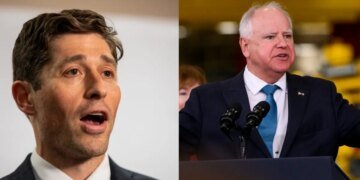
- Minneapolis Mayor Jacob Frey immediately labeled the shooting as murder without waiting for evidence.
- Governor Tim Walz criticized federal agencies, having recently faced scrutiny over his administration’s handling of migrant-related issues.
- City council members have condemned the ICE agent’s actions, referring to the shooter’s response as cold-blooded murder.
- Protests erupted in Minneapolis, with demonstrators throwing snowballs at police and displaying anti-ICE sentiments in their communities.
- Concerns regarding the fairness of any upcoming trials for the ICE agent have been raised, given the current political landscape.
Full Report
Immediate Reactions
The shooting occurred when an ICE agent, responding to a perceived threat, shot and killed a woman who allegedly attempted to run him over with her vehicle. Mayor Frey’s rapid declaration of murder has sparked profound criticism, especially given the absence of concrete evidence at the time of his comments. Many believe this approach undermines the integrity of the ongoing investigation.
Governor Walz’s remarks also added to the volatility, as he criticized both President Trump and Immigration and Customs Enforcement, recently facing his own challenges over the handling of fraud allegations. The rhetoric from both officials reflects a broader narrative within Minnesota’s political climate that prioritizes public sentiment over judicial process.
Public Response
In reaction to the shooting, residents of Minneapolis took to the streets, with some engaging in protests against local law enforcement. Acts of defiance included throwing objects at police and displaying signs urging the community to thwart ICE operations. The anger and hostility depicted in these protests paint a picture of a community strained by ongoing tensions around immigration and policing.
Legal and Ethical Considerations
Compounding the complexity of this situation is the history of public response to previous police actions in Minneapolis, including the high-profile case of Derek Chauvin. The political landscape surrounding Chauvin’s trial, which ultimately led to his conviction in the death of George Floyd, serves as a backdrop to current events. Many argue that any ICE agent in a similar situation might face an uphill battle in securing a fair trial amid widespread public sentiment and political pressure.
Context & Previous Events
The death of George Floyd in 2020 prompted nationwide protests and a critical examination of policing practices, particularly in Minneapolis. The fallout from that case influenced local leaders, law enforcement agencies, and public discourse surrounding race, justice, and police accountability. In the midst of these struggles, the current ICE shooting case reveals how local governance continues to grapple with these challenging dynamics, often prioritizing immediate public sentiment over the careful application of the law.






