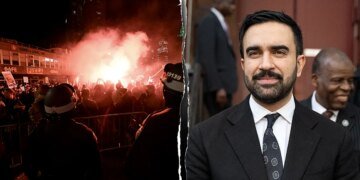























Jewish Students Distressed by NYC Mayor’s Repeal of Antisemitism Order
Jewish students at prominent New York City universities are expressing alarm over Mayor Zohran Mamdani’s decision to repeal an executive order that defined antisemitism based on the International Holocaust Remembrance Alliance (IHRA) standards. Many worry that this move could result in a surge of antisemitic sentiment and protests on college campuses across the city.
Why It Matters
The repeal of this order comes at a time when antisemitism continues to be a pressing issue in academic environments. Students and advocates fear that without established definitions and protective measures, there may be increased hostility toward Jewish communities, further endangering an already vulnerable population amid rising tensions in global affairs.
Key Developments
- Decision Timeline: Mayor Mamdani rescinded the IHRA-focused executive order on January 1, his first day in office.
- Student Reactions: Students from New York University and Columbia University have voiced concerns, describing the change as "terrifying" and potentially leading to worsened rhetoric and activism against Jewish individuals.
- Previous Protests: NYU has already witnessed intense demonstrations, with calls for an "intifada revolution" and claims of stolen land regarding Tel Aviv. Columbia University similarly faced protests affecting student safety and comfort.
- Professorial Influence: Concerns have also arisen regarding some professors who actively encourage participation in protests, further contributing to a hostile atmosphere for Jewish students.
Full Report
Students’ Concerns
Jewish students at both NYU and Columbia University have reported feeling increasingly vulnerable in the wake of the mayor’s decision. NYU student Mera Skoblo conveyed that the removal of the IHRA definition feels like a direct attack. She expressed that such moves provide "permission for protests to start up again," undermining the safety of Jewish students.
Columbia University student Galia Labowitz also expressed fear, stating that the repeal could embolden pro-Palestinian rhetoric and heighten tensions on campus. Labowitz shared troubling experiences with professors who, according to her, have canceled classes or encouraged student participation in protests, isolating those who identify with Jewish and Zionist identities.
Reactions from Officials
Following the repeal, officials in Israel criticized Mamdani, accusing him of exacerbating antisemitic sentiments by removing protective definitions. These opinions underscore the broader implications of the repeal, as students and communities seek to gauge the fallout locally and internationally.
Protests and Arrests
The protests at both universities have drawn significant attention, resulting in numerous arrests and disciplinary actions from Columbia University. Demonstrations have included extreme slogans and actions that many Jewish students find threatening. For instance, an April 2024 protest involved chanting slogans that have historically been associated with calls for violence against Israel.
Context & Previous Events
The executive order linking the city’s definition of antisemitism to the IHRA standards was initially signed by former Mayor Eric Adams. This legislative move aimed to provide clarity and protection for Jewish communities in the face of rising antisemitism. The IHRA definition clarifies that antisemitism may manifest as hatred directed toward Jewish individuals or their institutions.
In recent years, particularly after the October 7, 2023, Hamas attacks on Israel, universities in NYC have become focal points for protests, which have sometimes turned hostile. The recent changes under Mayor Mamdani raise questions about the future of academic discourse and the safety of Jewish students as tensions continue to escalate.






