






















Significant Prisoner Releases in Venezuela Signal Possible Shift
A noteworthy prisoner release in Venezuela has ignited discussions about potential political changes in the nation. Jorge Rodríguez, brother of the acting president, announced that a considerable number of detainees, including opposition leaders, were set free, though specifics surrounding the release remained unclear into late Thursday night.
Why It Matters
The release of political prisoners has long been a focal point for both the U.S. government and Venezuelan opposition groups, who demand the liberation of those held for their political views. This development raises questions about the Venezuelan government’s approach to dialogue and stability during a period of ongoing political tension.
Key Developments
- Jorge Rodríguez confirmed a "significant number" of releases, emphasizing the government’s intent to pursue peace.
- Key opposition figures, including Biagio Pilieri and Enrique Márquez, were among those released.
- Five Spanish citizens, including a well-known human rights activist, were also freed.
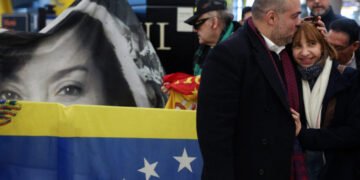
- Videos shared on social media displayed emotional reunions between released detainees and their families.
- The releases are perceived as a strategic move by the Venezuelan government amid internal and external pressures.
Full Report
Releases Highlighted
The non-governmental organization Foro Penal confirmed that several political figures were released, including Biagio Pilieri, who participated in the 2024 presidential campaign led by Nobel Peace Prize nominee María Corina Machado. Enrique Márquez, a candidate for the same election, was also freed, drawing public support and emotional reaction as they reunited with loved ones outside the prison in Guatire.
Alongside these releases, five Spanish citizens, including human rights advocate Rocío San Miguel, were also reported freed. As news of the releases spread, families gathered outside prisons nationwide, waiting anxiously for updates on their loved ones. Relatives expressed a blend of hope and fear, demonstrating the complex emotional landscape for those impacted by the government’s decisions.
Political Context
Historically, the Venezuelan government has released political prisoners during critical moments, implying a strategic maneuver to show openness to dialogue. The releases occurred shortly after a tumultuous electoral period, during which authorities detained over 2,000 individuals. Current political opposition leader Machado described the releases as a "moral restitution," acknowledging the unspeakable suffering endured by many families.
Alfredo Romero from Foro Penal expressed cautious optimism about the possibility that these actions could indicate the dismantling of a repressive regime. However, they remain wary that this may simply be a temporary act designed to placate international scrutiny.
International Reactions
The Spanish government confirmed the release of its citizens, citing their wrongful detention under allegations of espionage, which Spain adamantly denies. Meanwhile, the U.S. administration indicated interest in the outcome of these releases within the context of its engagement with Venezuela and its strategies regarding the country’s oil resources.
Context & Previous Events
The reported releases are the first significant actions since the ouster of Nicolás Maduro and reflect ongoing dialogues regarding political tensions and human rights in Venezuela. Reports indicate that, as of late December 2025, there were still 863 individuals believed to be detained for political purposes in the country. Additionally, Venezuela’s government has persistently denied any claims of political imprisonment, attributing detentions to alleged plots against Maduro’s administration.
Families waiting outside prisons for news of their loved ones highlight the intersection of personal struggles with broader political dynamics in Venezuela, as many continue to hope for tangible change in their nation’s future.






