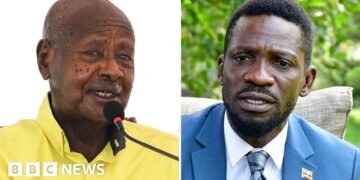























Uganda’s Upcoming Election: A Choice Between Longstanding Leadership and Calls for Change
As Ugandans prepare to head to the polls next week, they confront a pivotal decision: perpetuate the long tenure of President Yoweri Museveni or embrace the candidacy of Bobi Wine, a popular figure advocating for significant reforms. The election marks another chapter in a political landscape characterized by tension, with Museveni seeking to secure his seventh consecutive victory.
Why It Matters
This election could reshape Uganda’s political future, as it pits an incumbent president, who has governed since 1986, against a challenger who resonates with younger voters eager for change. The stakes involve not only leadership but also the direction of governance and economic policies in a nation grappling with high youth unemployment and widespread concerns about corruption and human rights.
Key Developments
- Election Timing: Voting is scheduled for January 15, with polls open from 07:00 to 16:00 local time.
- Candidates: There are eight candidates contesting the presidency, but Museveni and Bobi Wine are the leading figures.
- Previous Election: In 2021, Museveni won with 58% of the votes amidst claims of electoral fraud and repression, while Bobi Wine received 35%.
- Political Climate: The lead-up to the election has seen increased harassment of opposition figures, including the detention of activists and disruptions of rallies.
- Economic Concerns: With 21.6 million registered voters, economic issues, particularly unemployment, have become focal points during the campaign.
- Expected Electoral Process: Authorities claim this election will be fair, though past elections have raised doubts about the integrity of the process.
Full Report
Election Overview
Uganda’s general election offers voters a choice between Yoweri Museveni, who has been in power for nearly four decades, and Bobi Wine, a former musician turned politician known for his calls for a revolution in governance. Polls will open on January 15, allowing citizens to participate in presidential, parliamentary, and women’s representative elections.
The Candidates
Yoweri Museveni: Initially seizing power through military means, he has since become the longest-serving leader in East Africa. Once hailed for potential democratic reforms, his administration faces criticism for human rights abuses and electoral manipulations, with recent amendments to the constitution facilitating his ongoing candidacy.
Bobi Wine: Known for his grassroots appeal, Bobi Wine, whose real name is Robert Kyagulanyi, emerged as a serious contender in the previous election, galvanizing support from younger, urban populations. His party, the National Unity Platform, has become a significant opposition force in Parliament, despite continued state harassment.
Election Environment
The campaigning period has been marked by government crackdowns on dissent. Security forces have reportedly disrupted opposition rallies and detained activists, leading to claims of a "climate of fear" as described by UN experts. Human rights organizations, including Amnesty International, have criticized the government’s response to opposition activities, stating it constitutes a campaign of repression.
Economic and Social Issues
Economic conditions remain a pressing concern for voters. Uganda has a young population, over half of whom are under 30, facing high unemployment rates. While the nation has avoided the severe inflation seen in many regions, issues like healthcare accessibility, educational disparities, and rampant corruption complicate the socio-economic landscape.
Transparency and Fairness
Despite official assurances of a transparent electoral process, skepticism remains regarding the fairness of the election. Allegations of potential vote rigging and the specter of an internet shutdown have been voiced, mirroring concerns raised during prior elections. Bobi Wine has urged his supporters to stay vigilant at polling stations to safeguard their votes, suggesting a proactive stance against potential irregularities.
Context & Previous Events
In the 2021 presidential election, Museveni won amid allegations of rigging and oppression, marking a contentious moment in Uganda’s recent history. The opposition’s struggle for recognition and fair treatment has become increasingly pronounced, with figures like Kizza Besigye, who has repeatedly challenged Museveni, unable to participate due to legal issues and ongoing detention.
As Ugandans prepare to cast their votes, the upcoming election holds significant implications, not just for the country’s political dynamics but for the societal expectations and aspirations of a nation at a crossroads.






