






















Escalating Tensions: Colombia’s President Warns of Possible US Military Action
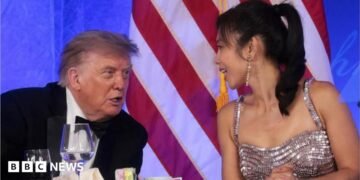
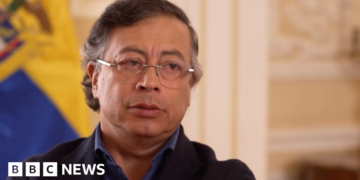
Colombia’s President Gustavo Petro has expressed deep concerns over what he perceives as a looming threat of US military intervention in Colombia. His remarks follow heightened tensions exacerbated by former President Donald Trump’s confrontational rhetoric, casting a shadow over relations between the two nations.
These developments are significant as they highlight the fragile state of diplomatic ties between Colombia and the United States, particularly amid escalating enforcement actions related to immigration and drug trafficking. Petro’s comments signal the gravity of the situation in the context of historical territorial losses and regional geopolitics.
Key Developments
- President Petro claims there is a “real threat” of US military action against Colombia.
- Trump previously threatened military operations targeting Colombia and described his conversation with Petro as a “Great Honour.”
- Petro criticized US Immigration and Customs Enforcement (ICE) agents, likening their actions to those of “Nazi brigades.”
- US agents recently shot a US citizen in Minneapolis, intensifying scrutiny of immigration enforcement practices.
- Protests in Colombia have emerged in response to Trump’s military threats.
Full Report
Concerns Over Military Action
In an interview with the BBC, President Gustavo Petro stated that the US is treating nations as components of a larger empire, underscoring fears of military aggression. This came in light of Trump’s aggressive comments, including a phone conversation where he remarked that a military operation against Colombia “sounds good.”
Immigration Tensions
Petro’s remarks also extended to US immigration policies, where he condemned ICE for what he described as overly aggressive tactics that are impacting both immigrants and US citizens. He pointed to a recent incident in Minneapolis where a US citizen was shot by an immigration agent, leading to public outrage and calls for reform of enforcement strategies.
Historical Context and Diplomatic Dialogue
Petro warned against repeating historical precedents of conflict, referencing Colombia’s painful loss of Panama in the 20th century. He expressed a preference for dialogue over confrontation, indicating that Colombia’s strategy to defend itself would rely on its terrain and populace rather than on conventional military capabilities.
Responses from Trump and Political Climate
The political landscape remains charged as Trump and Petro have frequently exchanged barbs. Following the military actions taken in Venezuela, Petro accused the US of pursuing aggressive foreign policies driven by interests in oil and coal. He emphasized the need for a more democratic relationship with the world, cautioning that continued hostility will isolate the United States rather than promote its imperial aspirations.
Future of Colombia’s Drug Policy
Amid these tensions, Petro continues to pursue a “total peace” strategy, balancing dialogue with armed groups against military initiatives aimed at those unwilling to pursue peace. He asserts progress has been made in reducing coca cultivation in specific regions, highlighting ongoing negotiations with various parties as essential to addressing the complex issue of drug trafficking.
Context & Previous Events
The strained relationship between Colombia and the US has a historical backdrop, punctuated by mutual accusations regarding drug trafficking and immigration enforcement. The Trump administration had previously accused Colombian and Venezuelan governments of insufficient efforts in combating drug-related crimes, further fueling tensions in bilateral discussions.