






















Venezuela Releases Political Prisoners in Possible Gesture of Goodwill
The Venezuelan government has initiated the release of detainees identified as political prisoners by various human rights organizations, a move described by officials as a goodwill gesture. This development follows the recent capture of President Nicolás Maduro by U.S. authorities, sparking significant international interest and intervention.
Why It Matters
The release of political prisoners is a longstanding demand from the United States and reinforces concerns over human rights in Venezuela. This gesture could signal a shift in the government’s approach amidst mounting pressure, particularly related to the political climate and human rights issues in the region.
Key Developments
- Five detainees, including one dual national, were confirmed released, with rights activist Rocío San Miguel among them.
- Jorge Rodríguez, head of Venezuela’s National Assembly, announced the release, citing “national unity and peaceful coexistence” as motivations.
- The U.S. capture of Maduro has reignited discussions on the treatment of political prisoners in Venezuela.
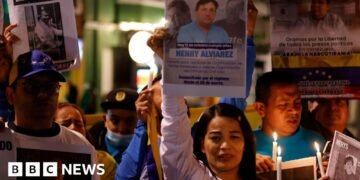
- Human rights organizations have expressed cautious optimism about the release but remain concerned about those still imprisoned.
- El Helicoide prison, notorious for the treatment of political opponents, is anticipated to close following Maduro’s capture.
Full Report
Government’s Announcement
Jorge Rodríguez announced on state television that a “significant number” of political detainees would be released immediately, though he did not specify how many or their identities. This announcement comes amidst heightened attention to the country’s human rights record following Maduro’s removal by U.S. forces.
Details of the Releases
The Spanish foreign ministry confirmed that five of its nationals were among those released. San Miguel, a recognized rights activist who was detained at Maiquetia airport in February 2024 under serious accusations including conspiracy and treason, became the first confirmed released prisoner. Experts view her release as a potential signal of the government’s willingness to engage in discussions regarding political rights and freedoms.
International Responses
Human rights organizations welcomed the news with caution, recognizing the complexity of the political landscape in Venezuela. Provea, a human rights group, warned that while the closure of El Helicoide prison is a positive step, attention must not divert from other detention facilities operating across the country. In a related development, opposition leader and Nobel Peace Prize laureate Maria Corina Machado has expressed her ongoing demands for the release of more political prisoners, highlighting the need for accountability and justice in situations of governmental repression.
U.S. Involvement and Future Implications
U.S. President Donald Trump has indicated intentions to further address the situation in Venezuela, mentioning the closure of the infamous El Helicoide prison. Amidst these shifts, he has been in discussion with Machado, indicating a desire for U.S. support for her campaign for political change in Venezuela.
Context & Previous Events
The Venezuelan government has faced ongoing accusations regarding its treatment of dissenters, particularly following the disputed 2024 elections. Over the years, human rights groups have reported widespread detentions aimed at silencing critics of the Maduro regime. Officials in the current administration have consistently denied the existence of political prisoners, maintaining that those detained were charged with legitimate criminal offenses.