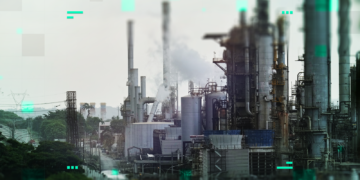























Trump’s Venezuelan Oil Strategy: Bold Promises Amid Challenges
In the wake of the U.S. operation that led to the ousting of Venezuelan President Nicolas Maduro, former President Donald Trump has set ambitious goals for the revival of Venezuela’s beleaguered oil industry. Within days, he asserted that major U.S. oil companies would invest heavily to restore and profit from the country’s oil infrastructure, aiming to immediately secure millions of barrels of crude oil for the U.S.
Why It Matters
Venezuela, once a major oil-producing nation, has seen its industry deteriorate due to years of sanctions, economic turmoil, and corruption. The U.S. has long aimed to curtail Maduro’s influence, but the approach raises questions about the feasibility of reviving an industry that has been crippled by neglect. The outcome will not only impact Venezuela’s economy but also the global oil market and U.S. foreign relations.
Key Developments
- Trump has pledged to have U.S. oil companies invest billions to fix Venezuela’s oil infrastructure.
- He predicts Venezuela could deliver between 30 to 50 million barrels of crude oil to the U.S. government, worth approximately £2.1 billion.
- Two sanctioned oil tankers have been seized by the U.S.
- Experts anticipate that operational revitalization of the oil industry is likely to take much longer than the suggested 18 months due to infrastructure issues.
- A significant percentage of Venezuela’s oil infrastructure remains in disrepair, with operational challenges affecting extraction and processing.
Full Report
Infrastructure Challenges
Experts underline that the claim of quickly rejuvenating Venezuela’s oil output is overly optimistic. The oil infrastructure suffers from decades of underinvestment and corruption, limiting production capabilities. Jorge Leon from Rystad Energy notes that if stability returns to the Venezuelan government, it might still take five to seven years before oil production could double, requiring a staggering investment of at least £80 billion.
Barney Gray, from the Independent Commodity Intelligence Services, comments that returning to historical production levels would entail nearly unimaginable costs, which U.S. oil companies are unlikely to cover.
Current Oil Storage Landscape
Venezuela’s oil export capabilities have been further hampered by the U.S. blockade. Current data indicates approximately 40 million barrels of Venezuelan oil are stored, with many of these reserves stranded due to sanctions. Notably, American company Chevron, which is exempt from sanctions, continues to operate, importing 20% of Venezuela’s oil.
Extraction and Processing Complications
The primary oil type found in Venezuela, especially from the Orinoco Belt, is "extra heavy" crude. This requires costly and sophisticated upgrading processes to prepare it for refined use. With only one of the four key upgrading units functional, significant investment in new technologies and facilities is necessary to enhance production capabilities.
Environmental and Operational Concerns
The aging infrastructure poses additional risks. Many storage tanks are unmaintained and deteriorating, potentially leading to leaks and environmental hazards. The International Energy Agency has reported that Venezuela’s methane emissions per barrel produced are alarmingly high, raising concerns about the sustainability of any future oil production.
Context & Previous Events
The backdrop to these developments includes continuous U.S. sanctions aimed at crippling the Maduro administration and its control over Venezuela’s oil resources. The international community is watching closely as the Biden administration navigates its strategy toward Venezuela, especially following Trump’s claims of revitalizing its oil economy.
The outcomes of these dynamics will greatly influence not only Venezuela’s economic landscape but also America’s role in the global oil industry.