






















Protests Erupt Across U.S. Following Fatal Shooting by ICE Agent in Minneapolis
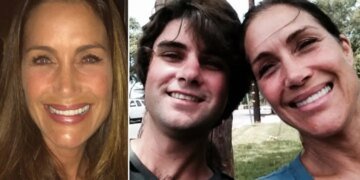
Protests demanding accountability erupted nationwide after an Immigration and Customs Enforcement (ICE) officer fatally shot 37-year-old Renee Nicole Good in Minneapolis. With anger echoing through major cities, demonstrators are calling for justice and questioning federal immigration enforcement practices.
Why It Matters
This incident highlights ongoing tensions surrounding immigration enforcement in the U.S. Good’s death not only reignited local fears related to law enforcement but also sparked broader discussions about civil rights and the role of ICE in communities across the nation. The public’s response signals a growing urgency for a reevaluation of federal policies and law enforcement authority.
Key Developments
- Renee Nicole Good was shot while seated in her vehicle during an encounter with ICE agents in south Minneapolis on January 7.
- Claims from President Trump and Homeland Security Secretary Kristi Noem suggested the officer acted in self-defense, asserting the vehicle was a weapon.
- Local leaders and eyewitnesses dispute such claims, deeming the shooting reckless and excessive.
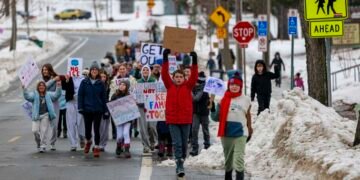
- Vigils and protests unfolded immediately after the shooting, with demonstrators gathering to honor Good and condemn ICE operations.
- Minneapolis Public Schools canceled classes for the remainder of the week due to safety concerns following clashes between federal agents and local residents.
- Further demonstrations are scheduled nationwide as activists continue to seek accountability from ICE officials.
Full Report
Details of the Incident
The fatal shooting occurred on January 7, 2026, as Renee Nicole Good was inside her car when multiple ICE agents confronted her. Eyewitness accounts and video footage have raised serious questions regarding the use of force by federal agents, leading to immediate public outrage. Following the incident, gatherings sprang up near the scene, where mourners placed candles and flowers as a tribute and displayed signs demanding justice.
Official Responses
In the wake of the shooting, President Trump and Secretary Noem defended the actions of the ICE agent. Noem asserted that if a vehicle is used as a weapon, lethal force can be justified. However, local community leaders, including Trahern Crews, co-founder of Black Lives Matter Minnesota, rejected these claims. Crews emphasized that the community is prepared to advocate for justice, referencing the proximity of this incident to the death of George Floyd in 2020 and the persistent dialogue around law enforcement accountability.
Nationwide Demonstrations
The repercussions of Good’s death resonated beyond Minneapolis, igniting protests in major cities such as New York, Chicago, and Portland. Participants expressed solidarity with Good and condemned the presence of ICE in their communities, highlighting a shared anxiety over immigration enforcement practices. Protesters demanded that the actions of federal officials be scrutinized and that appropriate measures be taken against those responsible for the shooting.
Ongoing Community Response
In Minneapolis, protests showed no signs of abating, with many community members vowing to persist in their efforts until accountability is achieved. Curfews and safety measures were implemented as tensions escalated, reflecting the community’s frustration and the urgency for dialogue between law enforcement and local citizens.
Context & Previous Events
This incident occurs amid a larger context of heightened scrutiny and criticism of federal immigration enforcement actions, particularly those carried out by ICE. The shooting and its aftermath have unfolded in a city that continues to grapple with its historical legacies of police violence and civil rights activism.