






















Trump Shifts Tone on Colombia’s Petro Amid Rising Tensions
In a surprising turn of events, President Donald Trump has softened his stance toward Colombian President Gustavo Petro, following a recent phone call between the two leaders. This shift comes amid heightened tensions related to drug trafficking and U.S. military operations in neighboring Venezuela.
Why It Matters
The evolving relationship between the United States and Colombia, traditionally a close ally, is significant due to ongoing challenges in drug trafficking and regional security. Recent tensions have raised concerns about the future of U.S. support and cooperation in combating the global drug trade, particularly as Colombia continues to grapple with its status as the world’s largest cocaine producer.
Key Developments
- Trump praised his conversation with Petro, describing it as a “Great Honor” and expressing anticipation for a White House meeting.
- This follows a period of escalating tensions, including sanctions imposed on Petro’s administration due to alleged drug trade involvement.
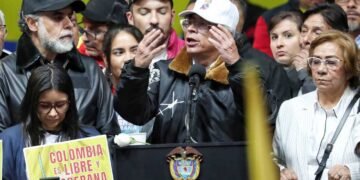
- Petro organized a rally against perceived U.S. military threats, claiming misinformation about his administration influenced Trump’s earlier harsh comments.
- The Colombian president criticized U.S. operations in Venezuela as “abhorrent,” and has faced domestic pressure regarding drug-related issues.
Full Report
Trump’s Change in Tone
On Wednesday, President Trump announced via social media that he recently had a cordial conversation with President Petro, which he characterized as friendly. The call reportedly lasted about an hour and focused on issues surrounding drug trafficking and the political situation in Venezuela. Trump conveyed his gratitude for Petro’s tone and expressed eagerness for an upcoming meeting at the White House.
Escalating Tensions Prior to the Call
Only days before the phone call, Trump had made inflammatory remarks about Colombia’s drug situation, describing it as “very sick” and accusing Petro of being involved in cocaine production for export to the U.S. This rhetoric came in the context of U.S. military operations targeting Venezuelan leader Nicolás Maduro, which Trump has continuously supported. During the same period, he indicated a willingness for potential U.S. military intervention in Colombia, further straining diplomatic ties.
Petro’s Response to U.S. Actions
At a rally attended by thousands in Bogotá, Petro denounced what he called misinformation from Colombian politicians allegedly tied to narcotics, which he claims misrepresented his record to President Trump. He described the resulting conflict as a “diplomatic crisis” and framed U.S. military actions in Venezuela as a severe infringement on Latin American sovereignty. Petro labeled such operations as reminiscent of historical atrocities, drawing parallels to events from World War II.
U.S.-Colombia Relations History
Colombia has been a key ally of the U.S. in the fight against drug trafficking and has been integral in Washington’s strategy to combat narcotics in Latin America. For nearly three decades, the U.S. has collaborated closely with Colombia, addressing issues from drug trade to economic development. However, relations have soured recently, with the U.S. imposing sanctions on Petro and declaring Colombia a nation failing to cooperate with anti-drug efforts, leading to significant reductions in U.S. aid.
Context & Previous Events
Historically, the U.S. has provided Colombia with extensive support, notably through military and economic aid aimed at combating drug trafficking and supporting governmental stability. The most recent tensions can be traced back to Trump’s administration, which had begun a campaign against Venezuela’s Maduro, incorporating actions that also affected Colombia’s standing in the broader regional context.






