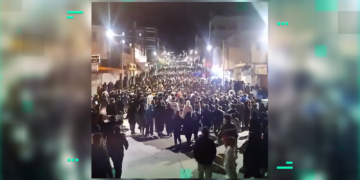























Protests Erupt Across Iran Amid Economic Collapse and Violence
Protests continue to surge in Iran as citizens express their discontent over an imploding economy, marked by soaring inflation and a depreciating currency. The situation escalated dramatically on January 3, when security forces responded with gunfire at a protest in Malekshahi, leading to significant casualties and stoking widespread outrage.
Why It Matters
The unrest underscores deep-rooted frustrations over economic mismanagement and the impact of international sanctions. The rapid devaluation of the rial and rising living costs have prompted demonstrations across the country, spanning over 280 locations. The government’s violent crackdown on dissent highlights the dangers faced by citizens demanding change amid calls for regime reform.
Key Developments
- Massive protests erupted on December 28, reaching 27 of Iran’s 31 provinces.
- Hundreds of demonstrators gathered at a base of the Revolutionary Guards in Malekshahi, resulting in several fatalities and injuries.
- Following "Bloody Saturday," protests intensified outside regional hospitals, where security forces allegedly arrested injured protesters and took away bodies to stifle mourning.
- The Iranian currency has plummeted from 32,000 rials per dollar in 2015 to 1.46 million rials, exacerbated by economic sanctions and internal mismanagement.
- Major protests were initiated by shopkeepers in Tehran’s Grand Bazaar, symbolizing collective frustration over economic deterioration.
Full Report
Growing Unrest
On January 3, demonstrators in Malekshahi clashed with security personnel, leading to violent confrontations. Protesters reportedly breached a base operated by the Revolutionary Guards, responding to their economic hardships by challenging authority. Eyewitness accounts from that day refer to the event as "Bloody Saturday," with gunfire reported, leaving many injured and necessitating urgent medical attention.
The following day, relatives of the injured congregated outside a local hospital, intensifying calls for regime change. Security forces were deployed to the scene, confronting civilians and medical staff in a bid to suppress any displays of mourning or resistance. Amnesty International reported multiple instances of authorities arresting injured demonstrators and removing bodies from the hospital.
Economic Collapse
The protests are rooted in a broader economic crisis, worsened by sanctions and a rapid devaluation of the national currency. Observers indicate that inflation is nearing 40%, with the prices of essential goods surpassing most citizens’ financial capabilities. The economic outlook remains grim following the fallout of last year’s conflict with Israel, which further destabilized the region.
Symbol of Dissent
The protests began in Tehran’s Grand Bazaar, a key hub for commerce. As shopkeepers struggled with stock shortages and devaluation of their products, their dissatisfaction ignited broader demonstrations signaling a shift in public sentiment. Experts note that while the government publicly acknowledges the protests’ legitimacy, it simultaneously employs force against demonstrators, perpetuating a cycle of violence.
A Culture of Resistance
As protests continue, acts of defiance are increasingly visible. In Shiraz, a protester reportedly used a flamethrower against security forces, demonstrating rising desperation among the populace. Despite pledges from international figures, including remarks from U.S. officials, the situation remains perilous for activists and protesters facing intense governmental repression.
Context & Previous Events
The unrest was precipitated by significant economic hardships that have accumulated over the years, with the Iranian economy facing severe strain due to U.S. sanctions, bureaucratic corruption, and the ongoing effects of geopolitical conflicts. The protests represent a larger wave of discontent that began at the end of December, as economic conditions continued to decline without governmental intervention or solutions.
As the situation unfolds, the world watches closely, hoping for a resolution that ensures the safety of those voicing their grievances against an increasingly authoritarian regime.