






















Uneven Recovery One Year After Eaton Fire Rattles Los Angeles Residents
Residents of Los Angeles are reflecting on the one-year anniversary of the Eaton Fire, which decimated homes and neighborhoods, leaving many still grappling with the emotional and financial aftermath. The chaotic recovery process highlights ongoing challenges in rebuilding efforts, impacting not only the affected individuals but also the broader community.
Why It Matters
The devastating impact of the Eaton Fire, which killed 31 people and destroyed over 16,000 structures, underscores the critical need for effective disaster recovery plans. As survivors navigate a complex landscape of insurance claims and regulatory hurdles, the varied pace of rebuilding serves as a warning sign for future wildfire preparedness and response.
Key Developments
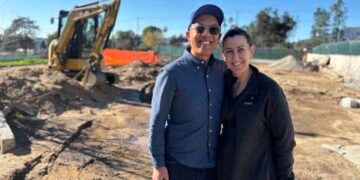
- Kelly and Andrew King, who lost their home, have begun reconstructing their garage but remain uncertain about insurance coverage.
- The physical landscape shows stark contrasts; approximately two-thirds of lots remain vacant a year after the fire, despite efforts to clear debris.
- Local authorities promised swift recovery, yet fewer than 1,000 buildings are under construction as frustrations mount over slow processes.
- Issues are compounded by fragmented recovery efforts, as residents face varying regulations across different jurisdictions.
- Activists are calling for comprehensive recovery plans to ensure equitable rebuilding efforts and greater resilience against future fires.
Full Report
Community Reflections
For many survivors like Kelly and Andrew King, the emotional toll of the past year is daunting. "It keeps me up at night," Andrew expressed, as the couple embarks on rebuilding their lives amid financial uncertainty. Some neighbors, unable to cope with the stress or costs of rebuilding, are selling their properties.
The Kings are hopeful, finding optimism in signs of construction, such as newly set port-a-potties, which signal that recovery is underway. "Some folks are very far along, some are within months of moving back in," noted Kelly, indicating a fragmented recovery trajectory.
Challenges in Recovery
Delays in rebuilding have been attributed to various factors, including the complex patchwork of regulations that survivors must navigate across city and county jurisdictions. L.A. County’s planning director, Amy Bodek, emphasized that the delays are often not due to bureaucratic red tape but are a result of insurance-related issues.
Many survivors are frustrated by an inadequate response from FEMA, which has faced criticisms for staffing and funding cuts, further complicating the recovery efforts.
Call for a Unified Approach
Disaster recovery experts advocate for a singular authority to oversee rebuilding, a recommendation highlighted by UCLA’s Julia Stein. Such an entity could streamline the process and promote fair recovery across affected neighborhoods. Activist Maryam Zar echoed similar sentiments, stressing the need for a strategic recovery plan to prevent the region from becoming affordable only to wealthy buyers.
Infrastructure Concerns
For survivors like Leo Madnick, who lost his longtime family home, the rebuilding of infrastructure also poses significant challenges. The call for comprehensive planning that prioritizes vital infrastructure is paramount to ensuring safe rebuilding. "They want to build first and infrastructure later, and it should be infrastructure first and build later," said Madnick, reflecting widespread anxiety over potential future disasters if planning is not addressed.
Context & Previous Events
The Eaton Fire is part of a troubling trend in urban wildfires affecting various regions in the U.S., including California’s Paradise in 2018 and Colorado’s Boulder County in 2021, illustrating the ongoing struggles communities face as they attempt to recover from devastating natural disasters.
As commemorative events take place in Altadena to remember those lost and encourage community solidarity, the challenges of rebuilding remind us of the urgent need for thoughtful disaster response strategies.






