






















Venezuelan Exiles Face Uncertain Future Amid U.S. Policy Changes
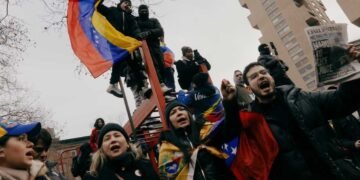
The recent capture of Venezuelan President Nicolás Maduro by U.S. forces has heightened emotions and uncertainty among Venezuelans living in the United States. Many are grappling with the implications of shifting U.S. immigration policies toward Venezuela, exacerbating fears for those still in the country and for exiles who fled its oppressive regime.
Why It Matters
The U.S. administration claims conditions in Venezuela have improved, suggesting that over 600,000 Venezuelans on Temporary Protected Status (TPS) can safely return home. However, the ongoing detentions of journalists, reports of government repression, and testimonies from exiles challenge this narrative. The potential for forced returns poses risks to individuals who would face persecution upon reentry.
Key Developments
- U.S. forces captured Maduro on January 3, prompting relief among some Venezuelans abroad.
- President Trump indicated that the administration is in talks with Maduro’s deputy to shape Venezuela’s future.
- The DHS has ended TPS for over 600,000 Venezuelans, claiming improved conditions in the country.
- Critics argue that the situation in Venezuela remains dire and unsafe for returnees.
- Recent arrests of journalists in Venezuela highlight ongoing repression and civil unrest.
Full Report
Exile Emotions and Expectations
Sebastian, a 28-year-old architect who recently moved to Miami, expressed initial hope when he learned of Maduro’s capture. He felt it signaled a potential positive shift for Venezuela, yet disappointment followed Trump’s announcement of cooperation with Maduro’s administration. "The situation is worse. How can I trust that things are better when we had to capture him?" Sebastian questioned.
Policy Changes and Legal Outcomes
The Trump administration maintained that Venezuelans could return safely, suggesting that those under TPS could transition to permanent residency through refugee status. However, immigration attorney Lily Axelrod stated the administration’s messaging is misleading. To apply for refugee status, individuals must be outside the U.S., limiting options for those already here. She clarified that asylum remains an alternative but highlights the challenges posed by the administration’s stance on asylum hearings.
Dangers of Return
Luis Falcón, who fled Venezuela in 2017 after facing persecution for his opposition to the Maduro government, described returning to his homeland as a near-certain death sentence. "Putting a foot back in Venezuela means I will be taken to jail, tortured, and potentially killed," he warned. Falcón advocates for the reinstatement of TPS until a political transition occurs in Venezuela. Nonetheless, U.S. officials are firm in their position, emphasizing the notion of Venezuela’s newfound freedom.
Misinformation and Misunderstanding
DHS Secretary Kristi Noem insisted that conditions in Venezuela have improved significantly. However, legal experts suggest her statements may misrepresent the realities faced by Venezuelan exiles. The obstacles for securing legal protection in the U.S. have left many feeling vulnerable and confused about their future.
Context & Previous Events
The U.S. Department of State has advised citizens against traveling to Venezuela due to severe risks, including wrongful detention and civil unrest. The situation remains precarious, with reports of armed groups suppressing dissent against Maduro’s regime. The previous year saw the cancellation of TPS for Venezuelans by the Trump administration, despite ongoing crises in the country. The social and political landscape remains heavily influenced by the actions of both the Venezuelan government and the U.S. administration.






