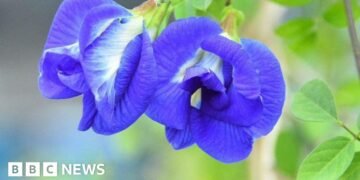























In India, the butterfly pea flower, once a humble plant, has emerged as a lucrative business venture for small-scale farmers, particularly women. This vibrant blue flower is capturing global attention for its applications in food, medicine, and natural dyes, offering new economic hope for rural communities.
The rise of butterfly pea cultivation signifies a shift in agricultural practices, tapping into growing global demands for natural ingredients. With changing regulations around synthetic dyes in markets like the U.S. and Europe, the flower presents unique opportunities for India’s farmers.
Key Developments
- Local entrepreneurs in India, such as Nilam Brahma, have turned butterfly pea cultivation into viable small businesses.
- The U.S. FDA approved butterfly pea as a food additive in 2021, though the EU raised safety concerns the following year.
- Despite existing challenges, a network of farmers engaged in butterfly pea cultivation is steadily growing in India.
- Health studies suggest the flower may offer significant benefits, including improved sugar control for pre-diabetic populations.
Full Report
A New Agricultural Venture
Nilam Brahma, a resident of Assam, experienced a life-changing moment upon discovering the potential of butterfly pea after witnessing local women succeed in selling the flowers for tea and dye. With an initial income of $50 from her first sale, Brahma realized the opportunity for financial independence, leading her to invest in solar drying technology to improve the quality and marketability of the flowers.
Growing Global Demand
As consumer preferences shift towards natural ingredients, entrepreneurs like Varshika Reddy from THS Impex are stepping in to help establish a structured market for butterfly pea in India. While Thailand and Indonesia have long been leaders in butterfly pea cultivation, Indian farmers are now looking to develop their own niche in this growing market.
Quality and Training Challenges
Developing quality standards remains crucial, as exemplified by Nitesh Singh, founder of Blue Tea. He faced initial hurdles in finding suitable flowers domestically and has since worked closely with a network of farmers to enhance both quantity and quality. Attention to detail in harvesting and drying methods is paramount to maintain the flower’s medicinal qualities and vibrant color.
Potential Health Benefits
Research into butterfly pea’s health benefits is limited, but some studies imply enhanced sugar control in pre-diabetic individuals who consume the tea. This emerging evidence may boost the flower’s popularity as consumers become increasingly health-conscious.
Pushpal Biswas, a farmer in West Bengal, transitioned from traditional crops to butterfly pea cultivation, which significantly increased his yield and income. He expressed that this shift has transformed farming into a community-driven business, attracting more local participation.
Context & Previous Events
Historically considered an ornamental and medicinal plant in India, butterfly pea has only recently begun to garner attention as a commercial crop. Regulatory changes in food safety standards, particularly in Western markets, have opened new doors for its use as a natural dye and edible ingredient.