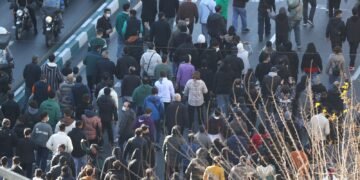























Protests Erupt Across Iran Amid Deepening Economic Crisis
Demonstrations have erupted throughout Iran, driven by a deteriorating economic situation that has sparked widespread discontent. Since December 28, protests have spread from Tehran to over 257 locations across 27 of the country’s 31 provinces, marking the most significant unrest the regime has faced since the 1979 Islamic Revolution.
Why It Matters
The ongoing protests are significant as they challenge the clerical regime’s authority amid a crippling economic crisis exacerbated by years of international sanctions and mismanagement. With inflation soaring and basic goods becoming unaffordable, the protests symbolize a growing frustration not just with economic hardship, but also with the political status quo.
Key Developments
- Protests began in Tehran when shopkeepers struck as the Iranian currency hit an all-time low against the US dollar.
- At least 29 deaths have been reported, including two members of the security forces, with over 1,200 individuals detained.
- Economic difficulties, including high inflation rates around 40%, have driven increased unrest among citizens.
- Protesters have broadened their demands to include political reforms, chanting anti-government slogans and calling for greater freedoms.
- Iranian President Masoud Pezeshkian announced plans to shift from a subsidized currency system for importers to a monthly subsidy for citizens, likely impacting prices further.
- Tensions escalated as protesters attempted to storm a government building, leading to reported injuries among security forces.
Full Report
Economic Catalyst for Protests
The protests initiated on December 28 when merchants and shopkeepers in Tehran went on strike due to the plunging value of the national currency. Years of economic instability, worsened by the reimposition of U.S. sanctions under former President Donald Trump and military strikes targeting Iranian nuclear sites, have left many citizens struggling.
On the Ground Conditions
Protesters have described a dire living situation, with prices for essentials skyrocketing. For instance, the price of eggs reportedly surged from approximately 280,000 tomans to 500,000 tomans, while the cost of cooking oil saw similar increases. As inflation continues to soar, the Iranian government has made controversial decisions, including ending preferential currency rates and raising fuel prices.
Escalation and Wider Political Implications
While the initial protests centered around economic grievances, they have evolved into broader political expressions of dissent. Students and merchants in Tehran have joined together, chanting historical slogans that harken back to pre-revolutionary sentiments. Significant clashes have been reported, particularly in western Iran, with claims of demonstrators increasingly armed.
In response to the unrest, President Pezeshkian acknowledged the "legitimate demands" of protesters, suggesting a willingness to engage in dialogue. However, Supreme Leader Ayatollah Ali Khamenei has focused on distinguishing between protesters seeking change and those engaging in violence, indicating a potential crackdown on dissenters.
International Reactions
The U.S. has also weighed in, with President Trump threatening intervention should Iran resort to violence against peaceful protesters. This warning has drawn heated responses from Iranian officials, warning of retaliation against American interests in the region.
Context & Previous Events
Historically, Iran has experienced several waves of protests, from movements in the 1970s to unrest in the 1990s and early 2000s. More recently, protests erupted in 2022 following a spike in food prices, and again following the death of Mahsa Amini, which resulted in a months-long security crackdown. Over 500 people died during that period, with tens of thousands detained as the regime sought to maintain control amid increasing public outrage.