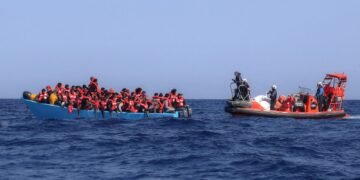























Tragedy Strikes as Migrant Boat Capsizes Off Libyan Coast
A migrant boat capsized off the coast of Libya earlier this month, leading to the deaths or disappearances of over 50 individuals. The tragic incident has drawn attention to the ongoing peril faced by migrants attempting to cross the Mediterranean Sea in search of a better life.
Why It Matters
The incident underscores the desperate measures many migrants take to escape violence and poverty in their home countries. With Libya serving as a major transit point for those fleeing turmoil in Africa and the Middle East, this tragedy highlights the ongoing risks associated with migration and the inadequacies in addressing these dangers.
Key Developments
- The boat overturned on February 6 near Zuwara, with only two survivors rescued from the 53 individuals aboard.
- The International Organization for Migration (IOM) reported that the two survivors, both Nigerian women, received medical care following their rescue by Libyan authorities.
- Witnesses indicated that the vessel, which was carrying people from various African nations, departed from Al-Zawiya around 11 PM on February 5.
- Within six hours, the rubber boat capsized after taking on water.
- In January, at least 375 migrants were reported dead or missing during attempts to cross the Mediterranean, with current estimates for 2026 reaching at least 484.
Full Report
Survivors’ Accounts
The two survivors recounted harrowing experiences; one woman shared that she had lost her husband, while the other tragically stated that she lost her two infants in the accident. Following the rescue, the IOM provided medical assistance to both women.
Continued Dangers
The IOM has also indicated that hundreds of additional deaths may remain unrecorded. In 2025, more than 1,300 migrants have reportedly gone missing in the Mediterranean. The ongoing exploitation by trafficking and smuggling networks remains a significant threat, with these groups profiting from perilous sea crossings in unseaworthy vessels.
European Union’s Role
Calls for increased intervention have surfaced, with authorities suggesting that the European Union should allocate funding to help manage the flow of illegal migration. Investigations into the people-smuggling operations in East Libya have revealed a large number of individuals willing to risk everything for a chance at a new life in Europe and the UK.
Context & Previous Events
Libya has become a critical junction for migrants fleeing conflict and economic hardship, particularly following the chaotic aftermath of the NATO-backed uprising that deposed longtime dictator Muammar Gaddafi in 2011. The ongoing instability in the country continues to create a dangerous environment for those seeking refuge.