






















A Year Defined by Disasters and Change: A Global Review
An array of significant world events has unfolded in 2023, documented vividly through satellite imagery. From California wildfires to devastating earthquakes in Myanmar, these images not only capture destruction but also reflect broader humanitarian and geopolitical issues.
Why It Matters
The use of satellite technology underscores the growing importance of visual information in understanding global crises. As events like natural disasters and armed conflicts shape lives, satellite images offer crucial insights that enhance awareness and accountability. The coverage also highlights the interconnectedness of crises, illustrating how local issues can resonate on a global scale.
Key Developments
- January: California’s wildfires resulted in at least 30 confirmed fatalities and over 440 indirect deaths, fueled by adverse weather conditions.
- February: Attacks on the Zamzam refugee camp in Sudan by RSF fighters caused civilian casualties and destruction.
- March: A 7.7 magnitude earthquake struck Myanmar, displacing approximately 200,000 individuals and leading to substantial loss of life.
- April: Thousands mourned the passing of Pope Francis at his funeral in Vatican City.
- May: GPS jamming activities intensified along the Baltic coast, raising concerns about surveillance and security.
- June: Ukrainian drone strikes resulted in damage to significant Russian airbases.
- July: In Gaza, overwhelming scenes of aid-seeking civilians amidst a declared famine brought global attention to humanitarian crises.
- August: Construction at an immigration facility in Florida known as ‘Alligator Alcatraz’ was halted due to environmental concerns.
- September: Protests in Nepal sparked by social media restrictions led to the burning of government buildings.
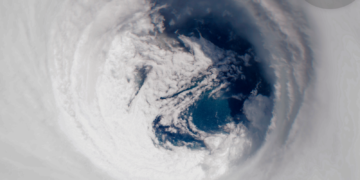
- October: Hurricane Mellissa became the most damaging natural disaster in Jamaican history, incurring losses of approximately $8.8 billion.
- November: The USS Gerald R. Ford was deployed to the Caribbean amid political tensions.
- December: Festive lights illuminated New York City, marking the holiday season.
Full Report
Natural Disasters
The year kicked off with catastrophic wildfires in California, wreaking havoc across parts of Los Angeles and San Diego. From early January, these fires were exacerbated by strong winds, leading to half a month of destruction that resulted in multiple fatalities.
In March, Myanmar faced a 7.7 magnitude earthquake that caused extensive damage, with death toll estimates ranging between 3,600 and 5,350 according to the United Nations. The quake’s impact dislocated thousands, magnifying humanitarian challenges in the region.
Armed Conflicts
February saw a tragic escalation of violence in Sudan, where paramilitary forces stormed the Zamzam refugee camp. Satellite imagery documented the destruction of buildings and stalls, underscoring the dire consequences of ongoing civil strife.
In June, Ukraine’s tactical drone strikes targeted Russian airbases, resulting in visible damage captured by high-resolution satellite images. The attacks signified a critical moment in the ongoing conflict, demonstrating the evolving tactics employed in warfare.
Humanitarian Issues
The humanitarian crisis in Gaza reached alarming levels in July, as crowds surged around aid convoys. Satellite visuals highlighted the desperate situation as food insecurity worsened, culminating in a famine declaration a month later.
Political Developments
August brought legal challenges to the construction of a controversial immigration facility in Florida, dubbed ‘Alligator Alcatraz,’ due to environmental risks. This highlighted ongoing debates over immigration policy in the U.S.
In November, the deployment of USS Gerald R. Ford to the Caribbean was a notable military maneuver by the U.S. amid tensions related to Venezuela, marking a significant build-up of American military presence in the region.
Cultural Events
The year concluded with festive celebrations in New York City, as striking nighttime images showcased the city’s holiday spirit. This event contrasts sharply with the year’s earlier crises, serving as a reminder of resilience amidst adversity.
Context & Previous Events
Historically, this year’s events align with a pattern of increasing frequency and severity of natural disasters attributed to climate change. Moreover, ongoing conflicts in regions like Sudan have roots in decades of political and social unrest. Each of these incidents connects to larger trends affecting global security and public welfare, emphasizing the need for continued attention and action.
As 2023 draws to a close, the diverse challenges and transitions faced globally remain visually and narratively captured, reminding us of the world’s complexity and the urgent need for clarity in journalism.